
Scoping solar and battery storage around your operation
Before choosing panels, inverters or batteries, establish which loads matter, when they run and what information your team needs after installation.
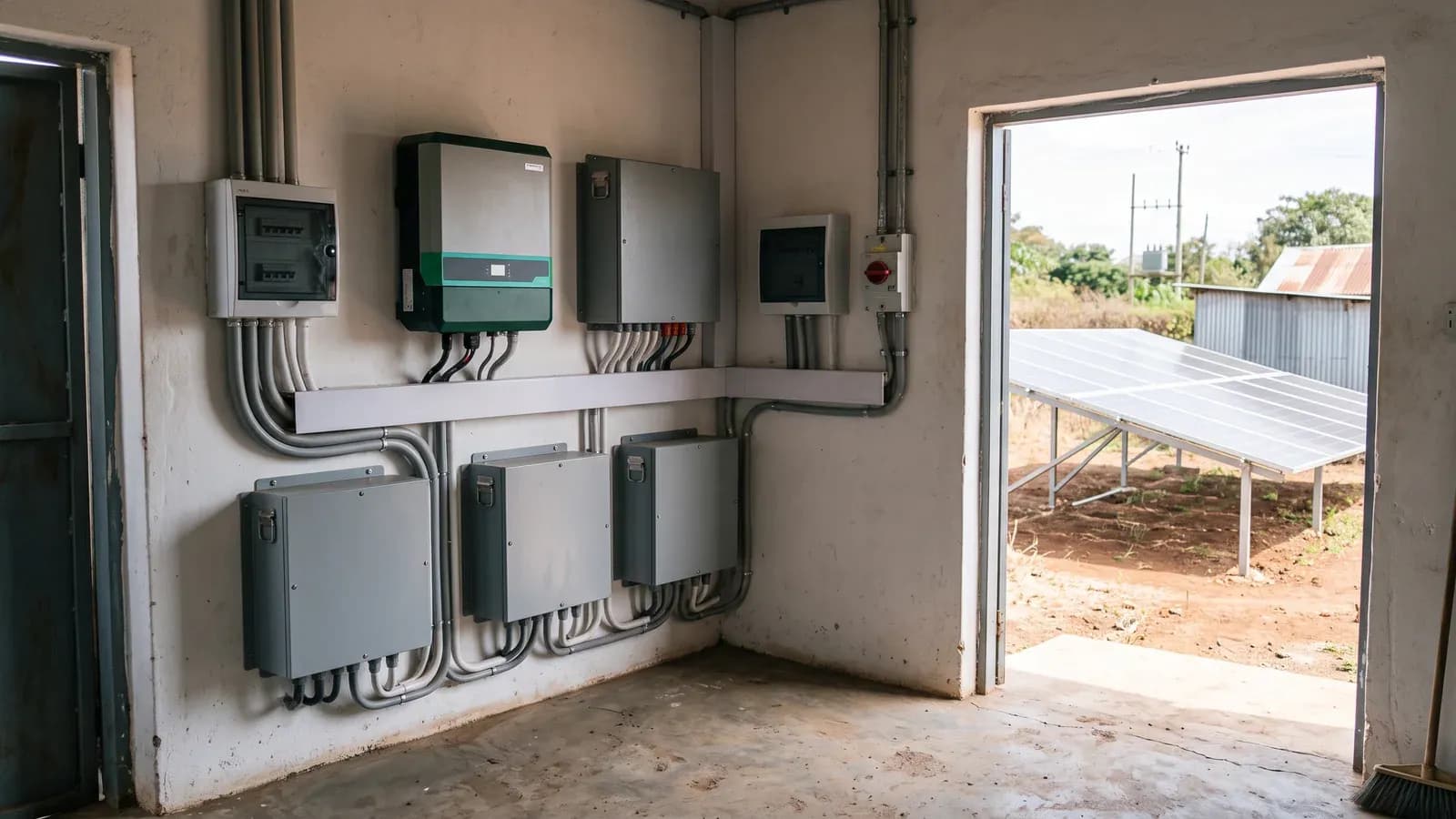
Solar and battery projects work best with a clear description of the operation they need to support. The starting brief should explain the equipment in use, its operating schedule and the loads that matter during a power interruption. That information guides the site assessment and the eventual system design.
List the loads and when they run
Create an equipment list that includes normal operating hours and any existing consumption records. Identify which loads are essential to the operation and which can be scheduled differently. Include equipment that starts intermittently, rather than describing the site only through one average consumption figure.
- Which activities need power during an interruption?
- When does each important load normally operate?
- What consumption records or equipment specifications are available?
- Are there planned changes to the site or its equipment?
Define what storage needs to support
A battery capacity figure does not, by itself, describe how long a particular site can operate. The design needs to relate storage to the selected loads, the intended operating period and the available charging supply. Agree on that operating scenario before comparing equipment options.
Assess the site and its interfaces
The assessment should cover the proposed panel location, equipment space, existing electrical infrastructure and the interfaces between generation, storage and the loads. Installation and commissioning belong in the scope alongside the panels, inverter and battery equipment.
Plan the information you want after commissioning
Compatible monitoring can give the team a clearer view of generation, storage and system operation. Decide which readings and notifications are useful, who reviews them and how a loss of communication is represented. Keep monitoring requirements linked to decisions such as scheduling a review or checking an unexpected change.
Review the design as an operating system
A useful proposal connects the equipment schedule, installation approach and commissioning plan to the way the site works. Ask for the assumptions behind the design and the process for ongoing support. AcreIOT scopes solar and battery installations around those project-specific requirements.